I am not taking new clients at this time.
About PowerPuppy Behavior and Training
Glenn Pierce CTC
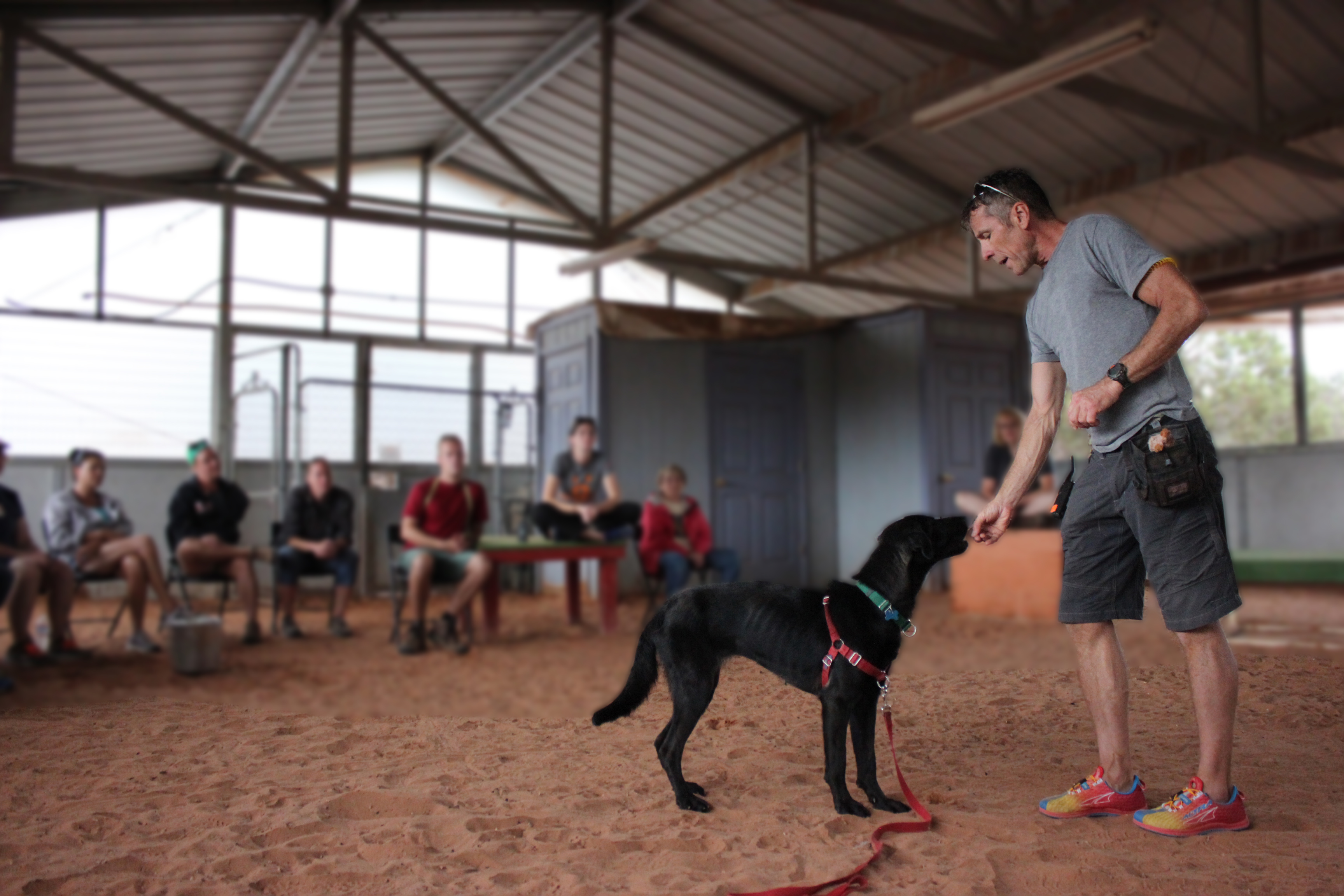
I’ve been working in dog behavior in some capacity since 2007. The letters after my name, CTC, stand for Certified in Training and Consulting by Jean Donaldson’s prestigious Academy for Dog Trainers. I started PowerPuppy Behavior and Training in 2010, offering classes and private behavior consultations. I ran the STAR Partnership in Albany, NY, a program that helped inmates at a county jail care for and train shelter dogs. I’ve done pro-bono work at many shelters and rescues, and from 2015-2018 I worked as a Behavior Consultant in Dogtown, at Best Friends Animal Society in Kanab, UT. Until recently, I served as the Behavior and Training Manager at National Mill Dog Rescue in Peyton, CO. I have been a Professional member of the Pet Professional Guild since 2012, and served on their Shelter and Rescue Committee.
In my experience, I’ve encountered just about every behavior challenge that you can think of. I’m ready to help with everything from simple management and “politeness” to challenges with fear, stress and aggression. While I don’t necessarily have a specialty, much of my work is with reactive and fearful dogs.
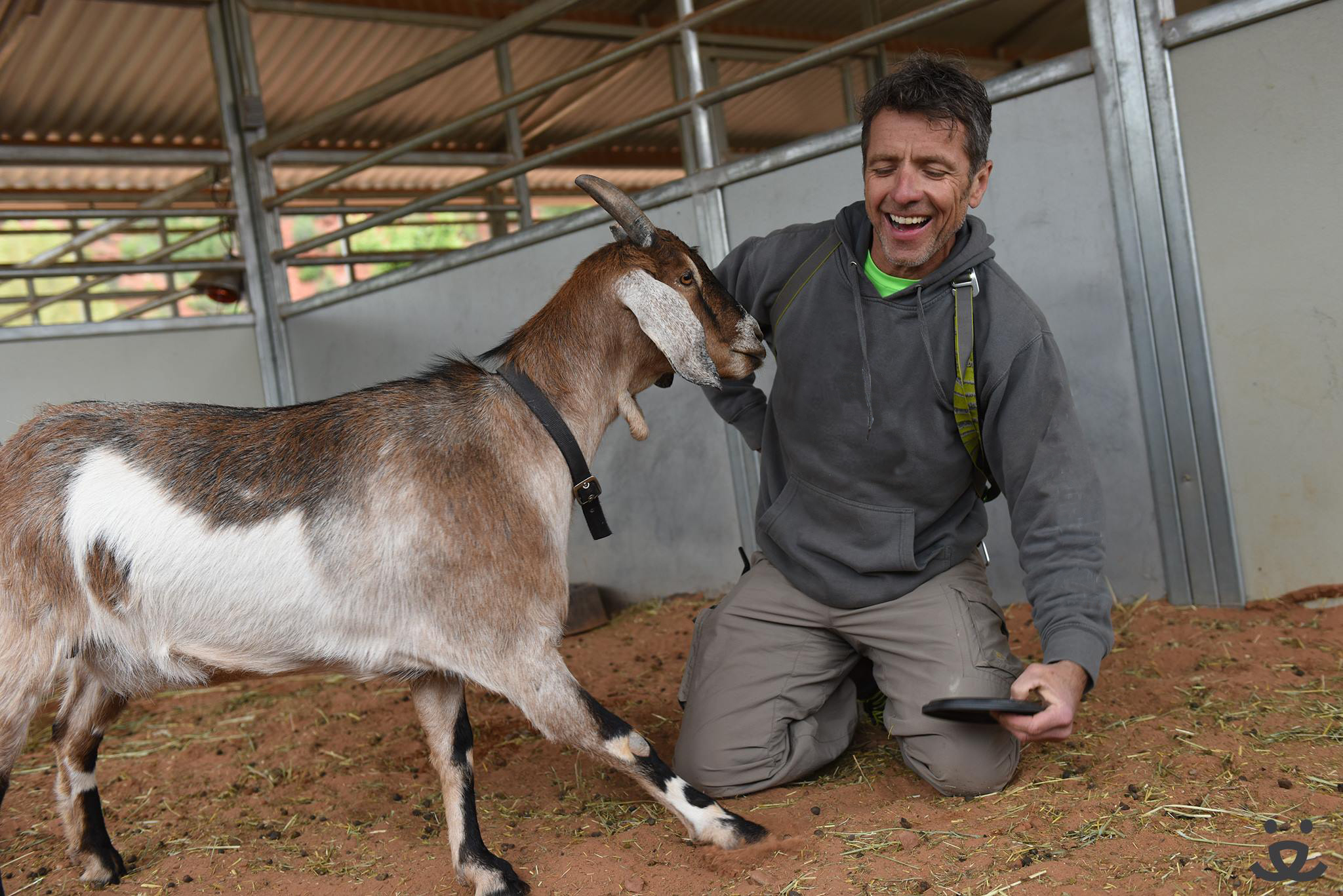
My training techniques and tools are based on the science of behavior. I’m always reading, scouring the web for new research, attending workshops and conferences and communicating with colleagues so that I know I’ve got the best, most recent information. The laws of learning are the same across all species – dog, cat, bird, fish, pig, goat, human, you name it. What differs is what motivates each of these, and how to safely manage and work with them.

Cats, too!
I’ve had cats in my life for as long as I’ve had dogs, and I love and appreciate the wonder that cats can bring to our lives. I do understand why some people prefer cats to dogs or vice-versa. What they all have in common is that they love their animal friends, and want the very best for them. I’m here to help, whether it’s with dogs or cats (or both).
Evidence-based tools and techniques
Behavior science gives insights into how to have animals learn in a way that’s lowest risk and highest effectiveness. Not only does the science support using only reward-based techniques; our animal friends just deserve to be treated with dignity and gentleness. I’ve worked with some of the most difficult dogs imaginable, and there is never a need to startle, intimidate, scare or hurt dogs in order to have them learn to behave the way that works best for us and them together.
Proven methods and transparency in communication
The companion animal behavior industry is unregulated. Without any training, experience or certification, anyone can start an animal training business. When looking for a professional to help you with your best animal friend, make the right decision by looking for the things listed below. The links I provide give you more information and resources to make the right decision.
- Certification by an established, evidence-based institution
- Commitment to evidence-based methods that are least invasive and minimally aversive
- Transparency in methodology: able to answer your questions clearly and comprehensively about the experience you and your pet will have. Avoid providers who use jargon or “proprietary” language that doesn’t explain in easy-to-understand terms.
 PowerPuppy Behavior and Training